
Wood & Its Care
Wood is a timeless natural material that has been used for centuries to craft beautiful and functional bowls and other woodturned items.
Harvested from hardwood trees such as maple, walnut, and cherry, wood offers a unique combination of strength, durability, and warmth that synthetic materials often lack. Each wooden bowl showcases distinctive grain patterns, knots, and color variations, making every piece one of a kind. As a renewable resource, wood is also an environmentally friendly choice when sourced responsibly. In addition to its aesthetic appeal, wood is gentle on kitchen tools, lightweight yet sturdy, and suitable for serving salads, fruits, and dry foods. Its natural texture and organic character bring a sense of authenticity and connection to nature into everyday dining experiences.
Wood bowls age gracefully, developing character and depth over time. With regular use, the surface may become smoother and more polished as natural oils from food and hands gently condition the wood. Subtle changes in color often occur, with lighter woods deepening into warmer tones as they are exposed to light and air. Small marks, scratches, or other character marks may appear, but these signs of wear add to the bowl’s story rather than detracting from its beauty.
When properly cared for with occasional oiling and gentle cleaning, a wooden bowl can last for decades, growing richer in appearance and gaining a soft patina that reflects years of shared meals and everyday use.
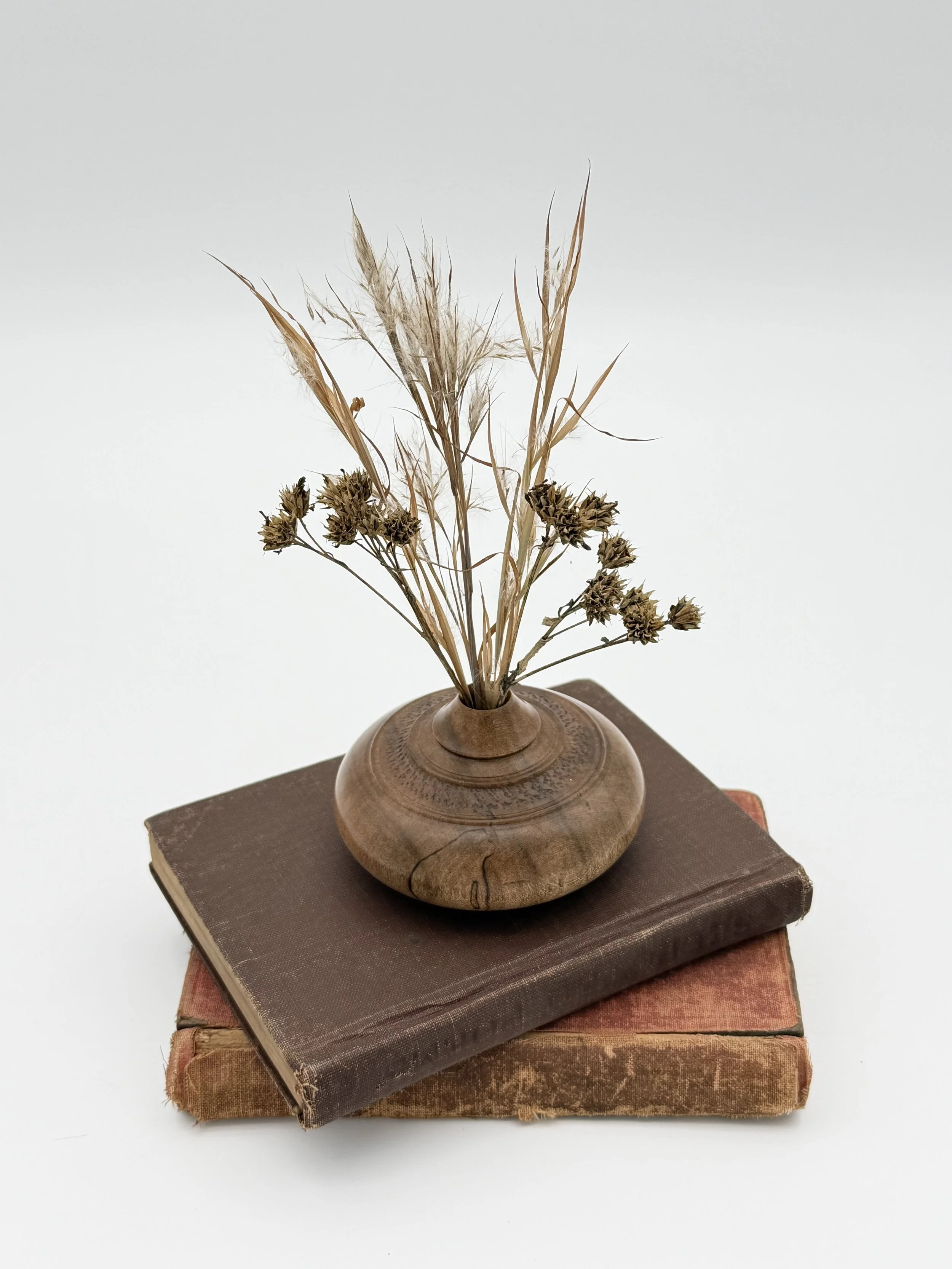
You may periodically rejuvenate the finish with oil or wax, but a natural patina is expected to develop over time for functional pieces (those used for food). Any wood conditioners marketed for cutting boards or butchers blocks should work, or you can use culinary walnut oil or mineral oil.
If you prefer a shiny patina, you will need to polish the wood regularly with a wax polish. Begin by applying a wax daily for the first week, then once a month thereafter. Over time, this care will give your wood a warm, glowing finish reminiscent of a cherished antique. Such a patina cannot be achieved from a bottle—it develops gradually through ongoing love and care. Consistent polishing will enhance and enrich the natural beauty of any wooden surface.
Bowls and other woodturnings intended for display rather than food service should be maintained dry and not exposed to water or other cleaners; a light buffing with a soft, dry cloth and periodic refreshing of oil or wax is all that is needed.
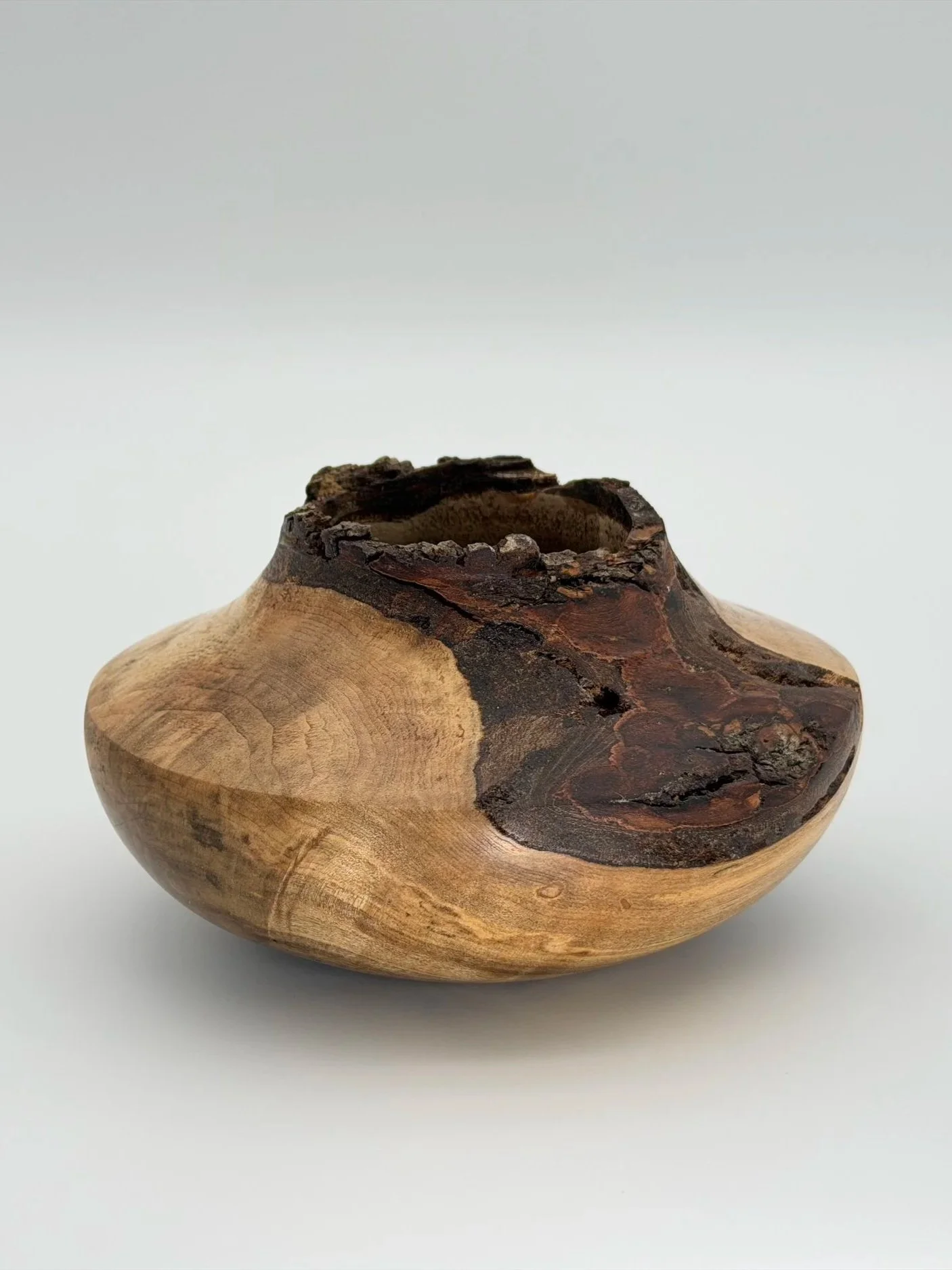
My pieces are finished with a food-safe combination of natural resins (shellac), oils (walnut, tung, and orange), and waxes (beeswax and carnauba). This makes them ideal for serving foods like salads, fruit, popcorn, and pasta. Just be sure to check fruit regularly, as a decaying piece can leave a stain.
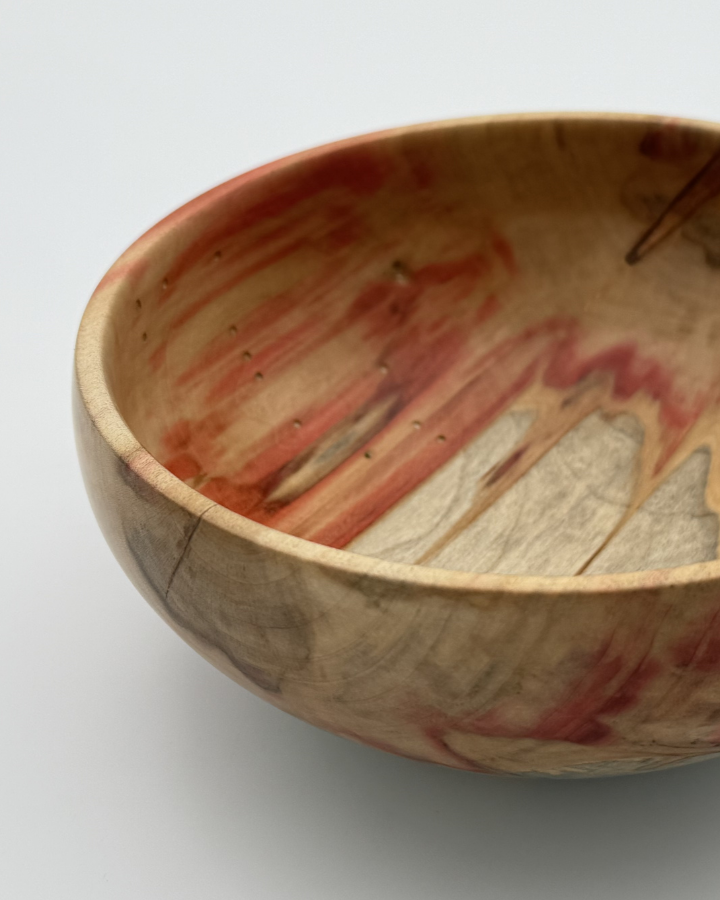
Clean the piece soon after use-hand washing with a mild detergent and towel drying is recommended. Do not let submerge in water or allow wood soak in water overnight. Do not place your piece in the dishwasher or microwave.